Make a little room
A quiet space can make it easier to finish a thought. That might mean putting a phone away, allowing a pause or beginning without a long list of immediate answers. Attention is a practical part of the setting, not simply a visual style.
Let the question settle
Some questions sound different when said aloud. Give a person time to explain what prompted the enquiry and why it matters now. The first summary may be only the beginning of the story, rather than the complete account.
Keep the materials close
A notebook, a short chronology and a list of questions can help the discussion stay connected. They are prompts for conversation, not a substitute for the right information or a properly agreed scope of work.
Take clarity with you
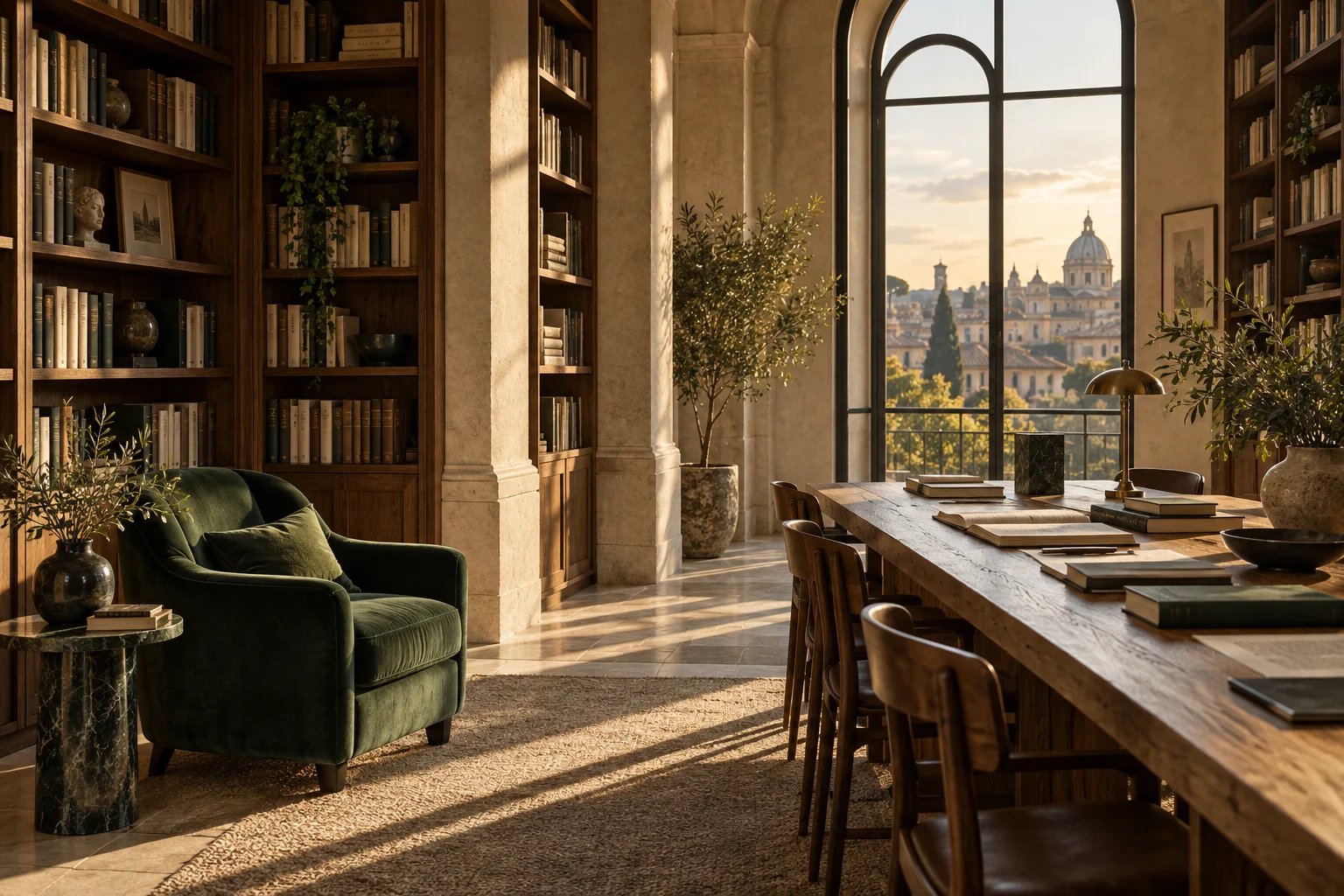
The value of a thoughtful setting is what it helps people understand. Leave time to recap what has been discussed and what remains open. The Ravell studio imagery illustrates that idea; it does not depict an actual office or a client meeting.
Until the next discovery.


Conversation