Begin at the edge
A deep doorway or sheltered terrace makes the transition outdoors feel gradual. Notice how the floor, materials and sightlines connect the two spaces. Those relationships can make a modest room feel more generous.
Make shade useful
An outdoor area is most inviting when it offers a comfortable place to stay. Consider shelter, privacy and the time of day you would use it. Practical details often matter more than a large open area.
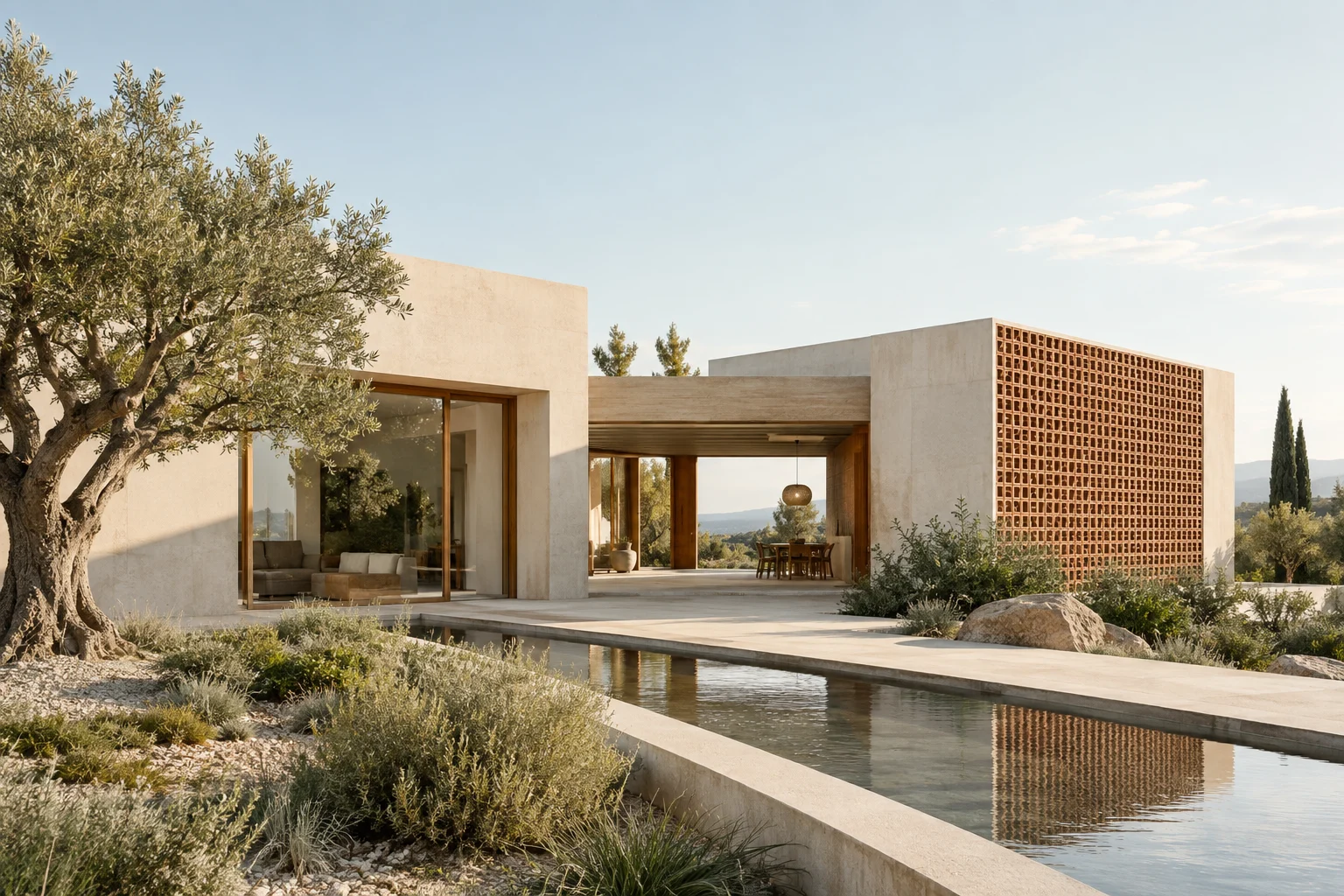
Keep the view personal
A single tree, a familiar pot or the changing light on a wall can provide a focus. You do not need a grand outlook to create a meaningful connection with the outside.
A threshold can be a room
Think of the space just beyond a doorway as somewhere to use, rather than simply pass through. A sheltered chair, a small table and a view of planting can turn an edge into a daily destination. In the courtyard study, the garden is the point of orientation for the rooms around it. That does not require every opening to be wide or every wall to be glass. A carefully framed view can make the relationship feel just as strong. Look for a balance between openness, privacy and a comfortable place to stay.
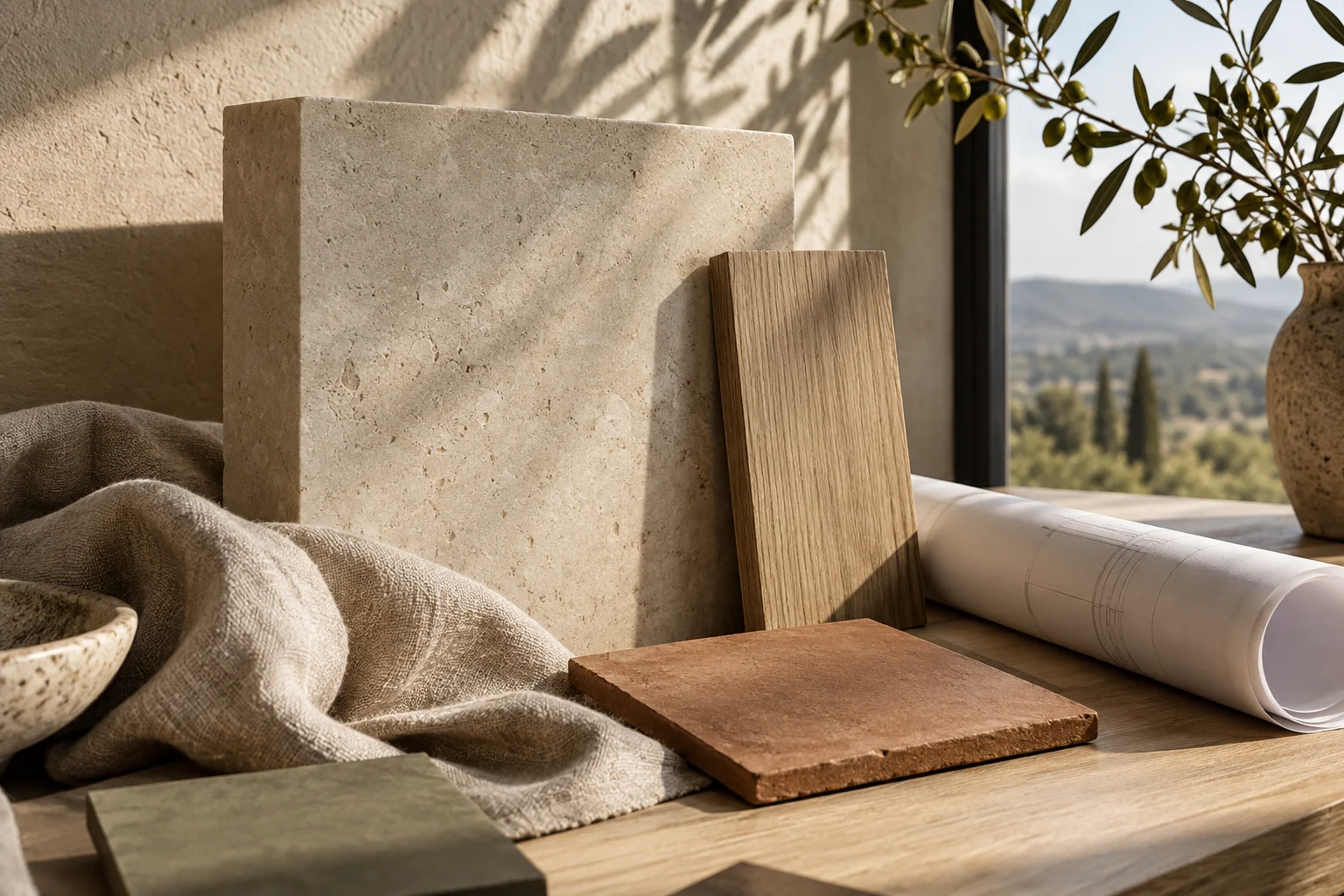
Notice the practical edges
When exploring a real property, ask how doors open, where rainwater goes and whether there is a level change at the threshold. Consider shade, maintenance and the way furniture will move between the spaces. These questions do not make the idea less romantic; they make it more usable. A beautiful terrace becomes part of daily life when it supports the ordinary things you want to do there. Keep a place for shoes, a surface for a cup and a little room to move without rearranging everything.
Until the next discovery.
Conversation